
What Is Weaning? A Beginner's Guide for New Parents
Weaning is the gradual process of introducing solid foods alongside breast milk or formula, usually starting around six months of age. It is a major milestone for new parents, often accompanied by a mix of excitement and uncertainty about what to cook first. Most families begin searching for simple baby food recipes around this time, looking for something soft, nutritious and easy to prepare at home. This guide walks through the basics of weaning, safe ingredients, and how a good mixer grinder can turn homemade baby food into a quick, everyday routine rather than a chore. As with any feeding decision, it is worth checking in with your paediatrician about the right timing and pace for your baby.
Benefits of Preparing Homemade Baby Food
Cooking at home gives parents far more control over what actually goes into their baby's first meals, from a simple dal khichdi recipe to fruit purees.
- Full control over ingredients, with no added preservatives, salt or sugar
- Freshly cooked meals that retain more nutrients than long shelf packaged options
- Flexibility to adjust texture and consistency as your baby grows
- Lower cost over time compared to store bought baby food jars
- The chance to introduce regional, familiar flavours early on
Why a Mixer Grinder Is More Than Just a Chutney Maker
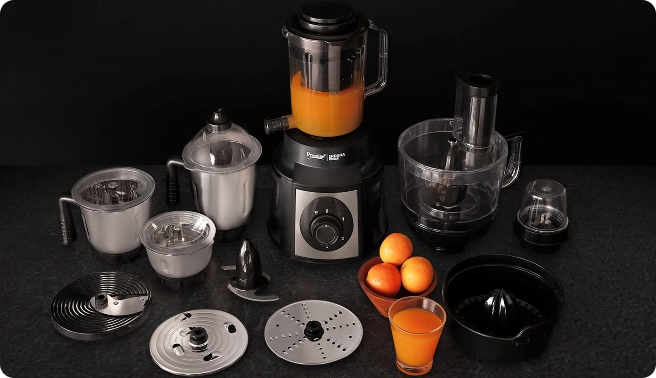
Most Indian kitchens already own a mixer grinder for everyday cooking, but it quietly doubles as one of the most useful tools for weaning too. For baby food recipes 6-8 months, a mixer grinder can puree soft fruits, cooked vegetables and grains into a smooth, consistent texture in seconds. As babies grow and need thicker textures, the same appliance can simply pulse ingredients for a coarser mash instead of a fine puree. This flexibility means parents rarely need a separate baby food processor, since the mixer grinder already sitting on the counter handles both jobs well.
10 Easy Homemade Baby Food Recipes Using a Mixer Grinder
These recipes cover the early months of weaning through the toddler stage, all easily prepared using a home mixer grinder.
- Apple and pear puree, steamed until soft and blended smooth
- Mashed banana with a spoon of breast milk or formula for consistency
- An oats porridge recipe cooked soft and blended for younger babies
- Steamed carrot and sweet potato mash, naturally sweet and easy to digest
- Moong dal and rice khichdi, blended smoother for younger babies
- Spinach and lentil puree, introduced once iron rich foods are needed
- Pumpkin and moong dal soup, blended to a light, warm consistency
- Ragi porridge cooked with water or milk, a traditional first food
- Mixed vegetable khichdi for older babies moving to thicker textures
- Curd rice mash, introduced once dairy has been safely established
Baby Food by Weaning Stage (Chart)
Texture and food choices should shift gradually as your baby grows, and this chart offers a general starting point alongside your paediatrician's guidance.
|
Age |
Texture |
Example Foods |
|
6 months |
Smooth purees |
Mashed banana, apple puree, thin rice porridge recipe |
|
7 to 8 months |
Slightly thicker mash |
Moong dal khichdi, mashed sweet potato, ragi porridge |
|
9 to 10 months |
Coarser mash with soft lumps |
Vegetable khichdi, curd rice, soft fruit pieces |
|
11 to 12 months |
Chopped, soft finger foods |
Steamed vegetable bites, soft rice, mashed dal |
Essential Ingredients for Homemade Baby Food
A handful of pantry staples cover most early baby food recipes 6 months and beyond, so building a small, consistent stock at home helps.
- Rice and moong dal, both gentle on a baby's digestive system
- Ragi and oats, useful grains for porridge style first foods
- Seasonal fruits like banana, apple, pear and papaya
- Root vegetables such as carrot, sweet potato and pumpkin
- Ghee, added in small amounts for extra nutrition and flavour
Tips for Preparing Baby Food Safely
A few safety habits matter as much as the recipe itself when cooking for a baby, particularly around baby food recipes 8 months and older, when textures start changing.
- Wash and peel fruits and vegetables thoroughly before cooking
- Cook ingredients fully until soft, especially grains, dals and root vegetables
- Cool food to a safe, lukewarm temperature before offering it to your baby
- Introduce one new ingredient at a time to watch for possible reactions
- Store leftover portions in the refrigerator and use within a day or two
Foods to Avoid During Early Weaning
Certain foods are best delayed until your baby is a little older, based on general paediatric guidance.
|
Food |
Why It's Avoided |
Suggested Age to Introduce |
|
Honey |
Risk of infant botulism |
After 12 months |
|
Added salt |
Immature kidneys cannot process it well |
Minimal until after 12 months |
|
Added sugar |
Encourages early preference for sweet foods |
Avoid before 24 months where possible |
|
Cow's milk as a main drink |
Low in iron, may replace breast milk or formula |
After 12 months |
|
Whole nuts |
Choking hazard |
Only as smooth butter, well past toddler years |
How Prestige Mixer Grinders Make Baby Food Preparation Easier
A dependable mixer grinder takes a lot of the daily effort out of cooking fresh meals for a baby.
- Small chutney jars are ideal for blending single portion baby food recipes 10 months and under
- Stainless steel jars are easy to clean thoroughly after each use
- Powerful motors handle both smooth purees and slightly coarser mashes with ease
- Multiple jar sizes let parents batch cook larger quantities for the week
- Sturdy, ball bearing motors are built for frequent, everyday use
Choosing the Right Mixer Grinder for Young Families
The right mixer grinder for a young family often depends on how much daily cooking, including baby food, the household expects to do.
|
Household Need |
Recommended Setup |
|
Occasional purees alongside regular cooking |
2 to 3 jar mixer grinder with a small chutney jar |
|
Frequent batch cooking, like a moong dal soup recipe for the week |
3 to 4 jar mixer grinder with a larger wet jar |
|
Larger families cooking for multiple age groups |
4 to 5 jar mixer grinder with varied jar sizes |
|
Small kitchens needing a compact appliance |
Lower wattage model with 2 to 3 jars |
Weekly Homemade Baby Food Preparation Plan
Batch preparing baby food once or twice a week can save considerable daily effort, especially once your baby is closer to a 2 years old baby food recipe range with more variety.
|
Day |
Suggested Prep |
|
Monday |
Steam and puree fruits for the first half of the week |
|
Wednesday |
Cook a batch of khichdi or dal for two to three days |
|
Friday |
Prepare vegetable purees and portion them for storage |
|
Weekend |
Try a new recipe and refresh the refrigerator stock |
Baby Food Preparation Cheat Sheet
Keep this quick reference nearby while planning meals across the early weaning months.
|
Stage |
Focus |
Example Recipe |
|
6 months |
Single ingredient purees |
Simple 1 year baby food recipe style banana mash, scaled down |
|
8 to 9 months |
Mixed, mildly seasoned foods |
Vegetable khichdi with a pinch of ghee |
|
10 to 12 months |
Chopped, soft finger foods |
Soft steamed vegetable pieces |
|
Toddler stage |
Family style meals, milder spices |
Pumpkin puree recipe blended into dal or soup |
Conclusion: Make Weaning Easier with Fresh Homemade Baby Food
Homemade baby food does not need to be complicated once you have the right ingredients, a simple routine and a mixer grinder that can handle everything from a smooth first puree to a chunkier toddler meal.
|
Weaning Stage |
Key Focus |
Kitchen Tool |
|
6 months |
Smooth, single ingredient purees |
Small chutney jar |
|
7 to 9 months |
Thicker mashes, iron rich foods |
Standard wet jar |
|
10 to 12 months |
Soft, chopped finger foods |
Manual chopping plus light blending |
|
Toddler |
Family style meals |
Full sized mixer grinder jars |
Frequently Asked Questions (FAQs)
1) What is the right age to start weaning my baby?
A) Most paediatric guidelines recommend starting solid foods around six months, alongside continued breastfeeding or formula.
- Look for signs of readiness like good head control and interest in food
- Every baby develops at a slightly different pace, so timing can vary
- Always confirm the right starting point with your paediatrician
2) Can I freeze homemade baby food, and how long does it last?
A) Yes, most purees and mashes freeze well in small, portioned containers or ice cube trays for easy daily use.
- Frozen baby food generally stays fresh for up to one month
- Thaw portions in the refrigerator rather than at room temperature
- Always reheat thoroughly and cool before serving
3) Should I add salt or sugar to my baby's food?
A) It is best to avoid added salt and sugar during the early months of weaning, since a baby's kidneys and taste preferences are still developing.
- Natural sweetness from fruits and vegetables is usually enough
- A small amount of ghee can add flavour without added salt or sugar
- Introduce seasoning gradually only as your paediatrician advises
4) How do I introduce new foods safely to check for allergies?
A) Introducing one new ingredient at a time, spaced a few days apart, makes it easier to spot any reaction.
- Watch for signs like rashes, vomiting or unusual fussiness after a new food
- Wait three to four days before introducing another new ingredient
- Speak to your paediatrician promptly if you notice any concerning symptoms
5) Which mixer grinder jar is best for small batches of baby food?
A) A small chutney jar, typically around 300 to 450 ml, works well for single portion purees and mashes.
- Smaller jars blend small quantities more evenly than larger ones
- They are also quicker to wash after each use
- Move to a larger jar once you begin batch cooking for the week