
A tawa is one of the most versatile pieces of cookware in an Indian kitchen. From everyday rotis and crisp dosas to stuffed parathas, cheelas and quick egg dishes, it can handle a wide range of recipes with ease.
Its broad, flat cooking surface allows food to cook evenly while giving dishes the characteristic texture associated with traditional Indian cooking. Whether you use a traditional iron tawa, a non-stick version or an induction-compatible model, the right technique can turn simple ingredients into satisfying meals.
Why A Tawa Is An Essential Cookware In Every Indian Kitchen
A tawa is designed for foods that benefit from a broad, flat cooking surface. It is particularly useful for recipes that need direct, even contact with heat.
Rotis can be cooked quickly, parathas can be crisped with ghee and dosas can develop their signature golden edges. A tawa can also be used for breakfast favourites such as egg bhurji, bread omelette and besan cheela.
Its versatility makes it useful for everyday cooking, especially when you want to prepare several dishes using a single piece of cookware.
What Makes A Tawa Different From Other Cookware?
- Wide cooking surface: A tawa provides plenty of room to spread batter or cook flatbreads.
- Direct heat contact: Food sits directly on the heated surface, helping create characteristic browning and crispness.
- Versatility: The same tawa can be used for rotis, parathas, dosas, cheelas and several quick meals.
- Quick cooking: Its broad surface allows many foods to cook relatively quickly.
- Easy serving: Many tawa dishes can be taken directly from the pan to the plate.
Benefits Of Cooking On A Tawa
- Even cooking: A good-quality tawa distributes heat across its surface for consistent results.
- Better browning: Direct contact with the hot surface helps create golden, crisp textures.
- Less cookware: One tawa can replace several specialised pans for everyday recipes.
- Versatile cooking: It works for breakfast, lunch, dinner and snacks.
- Convenient preparation: Many tawa recipes require only a few ingredients and minimal equipment.
- Easy portion control: Individual rotis, dosas and cheelas can be cooked one at a time.
10 Indian Recipes That Taste Best On A Tawa
- Roti: Roll whole-wheat dough into thin discs and cook on a hot tawa until puffed and lightly browned.
- Aloo Paratha: Stuff whole-wheat dough with spiced mashed potato, roll gently and cook on a hot tawa with ghee or oil.
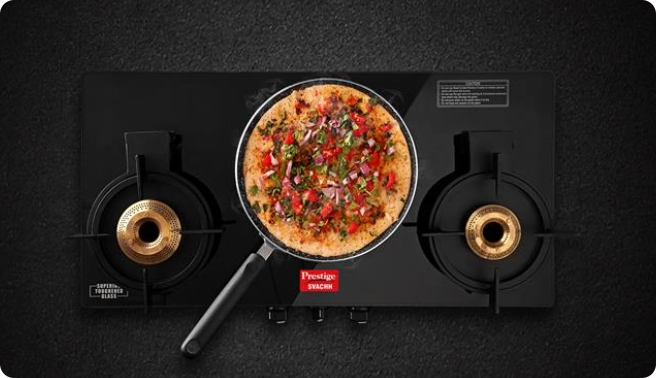
- Masala Dosa: Spread fermented dosa batter thinly across the tawa, cook until crisp and fill with spiced potato masala.
- Uttapam: Pour dosa batter onto the tawa and top with onions, tomatoes, chillies and coriander before cooking.
- Besan Cheela: Prepare a batter with gram flour, spices and vegetables, then spread it on the tawa and cook until golden.
- Egg Bhurji: Scramble eggs with onions, tomatoes, chillies and spices directly on the tawa for a quick meal.
- Bread Omelette: Pour seasoned beaten eggs onto the tawa, place bread slices over them and cook until golden.
- Rumali Roti: Roll dough very thin and cook briefly on a hot inverted tawa to create the characteristic soft, delicate flatbread.
- Malabar Paratha: Layer and fold the dough before rolling and cooking it on the tawa to achieve flaky layers.
- Tawa Pulao: Toss cooked rice, vegetables, spices and pav bhaji masala on a hot tawa for a quick street-style preparation.
Why These Recipes Taste Better On A Tawa
The broad, heated surface of a tawa allows ingredients to make direct contact with the cooking surface. This is particularly useful for recipes where texture is as important as flavour.
Rotis can develop light brown spots, parathas can become crisp and flaky, and dosas can develop a thin, golden crust. For dishes such as tawa pulao and egg bhurji, the wide surface also allows ingredients to spread out and cook quickly while absorbing spices.
Tawa Cooking Techniques Every Home Cook Should Know
|
Technique |
Best For |
Key Tip |
|
Preheating |
Rotis, dosas and parathas |
Heat the tawa before adding the food. |
|
Spreading batter |
Dosa and uttapam |
Use the back of a ladle and work quickly. |
|
Controlled heat |
Parathas and cheelas |
Adjust the flame to prevent burning. |
|
Light greasing |
Dosa and cheela |
Use a small amount of oil for even browning. |
|
Flipping |
Rotis and parathas |
Flip once the first side develops light brown spots. |
|
Deglazing |
Tawa dishes |
Add a small amount of liquid if cooked spices begin sticking excessively. |
Choosing The Right Tawa For Different Recipes
- Non-stick tawa: Useful for dosas, cheelas and recipes that require minimal oil.
- Cast-iron tawa: Suitable for rotis, parathas and recipes where strong heat retention is useful.
- Hard-anodised tawa: A durable option for everyday cooking and a range of flatbreads.
- Induction-compatible tawa: Ideal for kitchens that use induction cooktops.
- Large tawa: Useful when preparing several small items together or making larger flatbreads.
Gas Stove Vs Induction Tawa Cooking
|
Feature |
Gas Stove |
Induction |
|
Heat control |
Flame can be adjusted visually. |
Temperature can be controlled through settings. |
|
Heating |
Direct flame heats the cookware. |
Electromagnetic energy heats compatible cookware. |
|
Tawa compatibility |
Works with most tawas. |
Requires an induction-compatible tawa. |
|
Cooking experience |
Familiar for traditional Indian cooking. |
Offers a clean and controlled cooking surface. |
|
Energy use |
Efficiency varies with the cookware and flame. |
Often transfers heat efficiently to compatible cookware. |
How Prestige Tawas Make Everyday Cooking Easier
A well-designed tawa can make everyday Indian cooking more convenient. Prestige tawas are available in different materials and designs suited to different cooking preferences.
- Multiple cooking options: Different tawa designs can be selected for rotis, dosas, parathas and other preparations.
- Convenient handling: Suitable handles make it easier to lift and manoeuvre the tawa.
- Easy everyday cooking: Non-stick surfaces can be useful for recipes that require less oil.
- Versatile use: A suitable tawa can handle several breakfast and main-meal preparations.
- Easy maintenance: Depending on the material and coating, many tawas can be cleaned quickly after cooking.
How To Clean And Maintain Different Types Of Tawas
- Non-stick tawas: Allow the pan to cool before cleaning and use a soft sponge rather than abrasive scrubbers.
- Cast-iron tawas: Avoid prolonged soaking, dry thoroughly and apply a light coating of oil when appropriate.
- Hard-anodised tawas: Use mild dishwashing liquid and avoid harsh abrasives.
- Prevent food buildup: Clean the surface after each use rather than allowing residue to accumulate.
- Store carefully: Keep tawas dry and avoid stacking cookware in a way that can damage coated surfaces.
Weekly Meal Plan Using Just One Tawa
|
Day |
Breakfast |
Lunch |
Dinner |
|
Monday |
Besan cheela |
Roti with dal and sabzi |
Paneer paratha |
|
Tuesday |
Vegetable uttapam |
Roti with rajma |
Egg bhurji with roti |
|
Wednesday |
Aloo paratha |
Roti with chana |
Vegetable dosa |
|
Thursday |
Bread omelette |
Roti with dal |
Paneer cheela |
|
Friday |
Masala dosa |
Roti with vegetable curry |
Egg paratha |
|
Saturday |
Besan cheela |
Tawa roti with dal |
Tawa paneer |
|
Sunday |
Uttapam |
Aloo paratha with curd |
Tawa pulao |
Quick Tawa Cooking Cheat Sheet
|
Dish |
Heat |
Cooking Tip |
|
Roti |
Medium-high |
Cook both sides until light brown spots appear. |
|
Aloo Paratha |
Medium |
Cook slowly enough for the filling to heat through. |
|
Dosa |
Medium-high |
Spread batter thinly and cook until crisp. |
|
Uttapam |
Medium |
Keep it thicker and cook until the base is golden. |
|
Besan Cheela |
Medium |
Spread evenly and flip once the edges begin to crisp. |
|
Egg Bhurji |
Medium |
Stir continuously for soft, evenly cooked eggs. |
|
Bread Omelette |
Medium |
Cook until the egg sets and bread becomes lightly crisp. |
|
Malabar Paratha |
Medium |
Cook both sides until golden and flaky. |
|
Tawa Pulao |
High |
Toss quickly to combine rice, vegetables and spices. |
Conclusion: Create Delicious Indian Classics With The Right Tawa
From a simple roti to a crisp masala dosa, the tawa is at the heart of many Indian kitchen classics. Its broad surface, direct heat and versatility make it suitable for everything from flatbreads and breakfast dishes to quick one-pan meals.
Choosing the right tawa for your cooking style and learning basic techniques such as preheating, temperature control and proper flipping can make everyday cooking easier. With one reliable tawa, you can prepare a surprisingly wide range of Indian favourites.
Frequently Asked Questions (FAQs)
1) What Is The Best Tawa For Making Roti?
-
Cast-iron tawa: It retains heat well and is traditionally used for rotis.
-
Hard-anodised tawa: It offers a durable option for everyday flatbread cooking.
-
Non-stick tawa: It can be convenient for cooks who prefer easy release and cleaning.
-
Induction-compatible tawa: It is suitable for kitchens using induction cooktops.
-
Heavy tawa: A sturdy, heat-retaining surface can help with consistent cooking.
2) How Do You Make A Crispy Masala Dosa On A Tawa?
-
Preheat the tawa: Make sure the surface is hot before adding batter.
-
Spread the batter thinly: Use the back of a ladle to spread it in a circular motion.
-
Control the heat: Maintain a consistent temperature so the dosa browns without burning.
-
Add a little oil: Drizzle oil around the edges if required.
-
Cook until crisp: Allow the base to become golden before adding the potato filling.
3) Can You Make Tawa Pulao On Any Tawa?
A) A wide, sturdy tawa is particularly useful for tawa pulao because it provides enough surface area to toss and combine the rice, vegetables and spices. A large kadai can also be used, although it will not provide exactly the same broad cooking surface.
4) How Do You Prevent Food From Sticking To A Tawa?
- Preheat appropriately: Allow the tawa to reach the required cooking temperature before adding food.
- Use the right amount of oil: A light coating can help with recipes that tend to stick.
- Avoid excessive heat: Very high temperatures can cause food to burn and stick.
- Use suitable cookware: Follow the manufacturer’s instructions for coated tawas.
- Clean the surface properly: Residue from previous cooking can cause sticking during the next use.
5) Can You Make Restaurant-Style Dosa At Home?
A) Yes. The key factors include properly fermented batter, the right tawa temperature and an even spreading technique. A suitable flat tawa and consistent heat can help you achieve a thin, crisp dosa at home.