
Protein is an essential macronutrient that supports muscle growth, tissue repair, hormone production and several other important functions in the body. Including enough protein in your daily diet can also help you feel fuller for longer and support an active lifestyle.
From dals and paneer to eggs, fish, soy and nuts, there are plenty of protein-rich foods to suit different dietary preferences. Here is a practical guide to high-protein foods and simple ways to include them in everyday Indian meals.
Why Protein Is Essential For A Healthy Diet
Protein is made up of amino acids that the body uses to build and repair tissues. It is also involved in producing enzymes, hormones and other substances needed for normal body functions.
Unlike carbohydrates and fats, protein is particularly important for maintaining and repairing muscle tissue. Getting enough protein through a varied diet can therefore support strength, recovery and overall health.
Top Health Benefits Of Protein
- Supports muscle growth: Protein provides amino acids required to build and maintain muscle tissue.
- Aids tissue repair: The body uses protein to repair cells and tissues after everyday wear and physical activity.
- Promotes fullness: Protein can help you feel satisfied after meals, which may support healthy eating habits.
- Supports bone health: Adequate protein intake contributes to maintaining healthy bones when combined with a balanced diet.
- Supports immune function: Proteins are involved in producing antibodies and other components of the immune system.
- Supports hormone production: The body uses amino acids to produce several hormones and signalling molecules.
- Supports healthy hair, skin and nails: Protein provides building blocks needed for the maintenance of these tissues.
How Much Protein Do You Need Every Day?
Protein requirements vary according to age, body size, activity level and health status. For generally healthy adults, a common baseline recommendation is around 0.8 grams of protein per kilogram of body weight per day.
People who exercise regularly, older adults and individuals with certain health or fitness goals may require more. Instead of focusing only on one meal, distribute protein across breakfast, lunch, dinner and snacks for a balanced intake.
Signs That You May Not Be Getting Enough Protein
Consistently inadequate protein intake may affect several aspects of health. Possible signs include:
- Muscle loss: Inadequate protein over time can contribute to the loss of muscle tissue.
- Slow recovery: Your body needs protein to repair tissues after exercise and everyday wear.
- Frequent hunger: Meals that contain little protein may be less satisfying.
- Weakness: Insufficient overall nutrition, including protein, can contribute to reduced strength.
- Hair, skin or nail changes: Protein is important for maintaining these tissues.
- Slow wound healing: Protein contributes to tissue repair and recovery.
Persistent or unexplained symptoms should be discussed with a healthcare professional.
10 Best High-Protein Foods For Better Health And Energy
- Eggs: Eggs provide high-quality protein and are easy to incorporate into breakfast, lunch or snacks.
- Paneer: Paneer is a popular vegetarian protein source that can be used in curries, wraps and salads.
- Greek yoghurt: Greek yoghurt generally contains more protein than regular yoghurt and works well as a breakfast or snack.
- Lentils: Dal provides plant-based protein along with fibre and other nutrients.
- Chickpeas: Chana provides protein and fibre and can be used in curries, salads and chaats.
- Soybeans: Soybeans are a high-protein plant food that provides all essential amino acids.
- Tofu: Tofu is a versatile plant-based protein that can be used in stir-fries, curries and salads.
- Fish: Fish provides high-quality protein and can also supply beneficial fats, depending on the variety.
- Chicken: Chicken is a lean source of complete protein and can be prepared in numerous ways.
- Nuts and seeds: Almonds, peanuts, pumpkin seeds and other nuts and seeds provide protein along with healthy fats.
Best Indian Foods Naturally Rich In Protein
Indian cuisine includes a wide range of protein-rich foods that can be incorporated into familiar meals.
- Dal: Include different varieties of lentils in lunch and dinner.
- Paneer: Add paneer to curries, wraps, salads and grilled preparations.
- Chana: Use chickpeas in chole, chaats and salads.
- Rajma: Kidney beans provide protein and fibre and pair well with rice or roti.
- Soy chunks: They are a convenient vegetarian protein option for curries and stir-fries.
- Curd: Dairy-based curd can contribute protein to meals and snacks.
- Peanuts: Use roasted peanuts in snacks, poha and salads.
- Moong dal: Moong is versatile and can be used in dals, chillas and khichdi.
High-Protein Foods For Vegetarians
Vegetarians can meet their protein needs through a combination of dairy, legumes, soy products, grains, nuts and seeds.
- Paneer: It can be added to curries, salads and grilled dishes.
- Greek yoghurt: It provides a convenient protein-rich snack or breakfast option.
- Lentils: Include dal regularly as part of lunch or dinner.
- Chickpeas: Use chana in curries, salads and snacks.
- Rajma: Kidney beans can be paired with grains for a filling meal.
- Soy chunks: They provide concentrated plant-based protein.
- Tofu: Use tofu in curries, stir-fries and wraps.
- Nuts and seeds: Include peanuts, almonds, pumpkin seeds and other varieties in moderation.
High-Protein Foods For Vegans
A well-planned vegan diet can provide protein through legumes, soy products, grains, nuts and seeds.
- Soybeans: They provide complete plant-based protein.
- Tofu: Tofu can be used in a wide range of savoury preparations.
- Tempeh: Fermented soy provides protein and can be grilled or added to curries and bowls.
- Lentils: Dal is an accessible source of plant-based protein.
- Chickpeas: Chana can be used in curries, salads and snacks.
- Rajma: Kidney beans provide protein and fibre.
- Peanuts: Peanuts are an affordable protein-containing snack.
- Pumpkin seeds: They provide protein along with healthy fats and minerals.
Weekly High-Protein Meal Plan
|
Day |
Breakfast |
Lunch |
Dinner |
|
Monday |
Eggs with whole-wheat toast |
Dal, rice and vegetable sabzi |
Paneer curry with roti |
|
Tuesday |
Greek yoghurt with nuts and seeds |
Chana curry with roti |
Tofu stir-fry with rice |
|
Wednesday |
Moong dal chilla with curd |
Rajma rice with salad |
Grilled chicken with vegetables |
|
Thursday |
Paneer bhurji with roti |
Dal with brown rice and vegetables |
Chickpea salad with whole-wheat roti |
|
Friday |
Vegetable omelette |
Chole with roti |
Fish curry with rice and vegetables |
|
Saturday |
Oats with Greek yoghurt and nuts |
Paneer curry with roti |
Soy chunk curry with rice |
|
Sunday |
Eggs and vegetable toast |
Rajma with rice and salad |
Dal, paneer and vegetable sabzi |
Easy High-Protein Indian Recipes
- Moong Dal Chilla: Blend soaked moong dal with spices and vegetables to make a protein-rich breakfast.
- Paneer Bhurji: Cook crumbled paneer with tomatoes, onions and spices for a quick meal.
- Chana Chaat: Combine chickpeas with vegetables, herbs and lemon for a protein-rich snack.
- Rajma Masala: Prepare kidney beans in a tomato-based gravy and serve with rice or roti.
- Dal Tadka: Cook lentils with spices and a simple tempering for an everyday protein source.
- Tofu Bhurji: Use crumbled tofu as a plant-based alternative to paneer bhurji.
- Soy Chunk Curry: Cook rehydrated soy chunks with vegetables and spices for a filling meal.
Foods That Improve Protein Utilization
The body needs more than protein alone to maintain healthy muscles and tissues. A balanced diet can help support how the body uses protein.
- Whole grains: Rice, wheat and millets provide carbohydrates that can complement protein-containing meals.
- Vegetables: They provide vitamins, minerals and plant compounds needed for overall health.
- Fruits: Fruits provide carbohydrates, vitamins and minerals that complement a protein-rich diet.
- Healthy fats: Nuts, seeds and other sources of healthy fats can contribute to balanced meals.
- Adequate fluids: Hydration supports normal digestion and overall body function.
- Varied protein sources: Combining different protein sources throughout the day helps provide a broad range of amino acids.
Common Mistakes When Increasing Protein Intake
- Increasing protein too quickly: A sudden dietary change can cause digestive discomfort, especially if it also increases legumes and fibre.
- Ignoring overall balance: Protein should be part of a varied diet that includes carbohydrates, healthy fats, vegetables and fruits.
- Relying heavily on processed protein foods: Whole foods can provide protein alongside other important nutrients.
- Neglecting hydration: Adequate fluid intake is important as overall food intake changes.
- Eating too much protein: More protein is not necessarily better, and individual requirements vary.
- Ignoring dietary variety: Rotating different protein sources can make meals more nutritious and enjoyable.
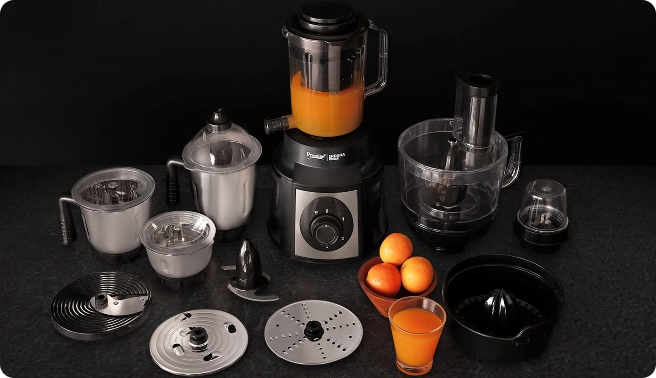
Mixer Grinders For Protein Smoothies, Nut Butters And Batters
|
Preparation |
How A Mixer Grinder Helps |
|
Protein smoothies |
Blends fruits, milk or plant-based drinks, yoghurt and other ingredients into a smooth drink. |
|
Nut butters |
Can grind nuts into homemade nut butter when the appliance is suitable for the task. |
|
Dal batter |
Helps create smooth batter for dishes such as moong dal chilla. |
|
Chutneys |
Grinds nuts, seeds, herbs and other ingredients for protein-containing accompaniments. |
|
Smooth dips |
Can blend chickpeas, beans and other ingredients into homemade dips. |
Best Cookware For Healthy High-Protein Cooking
|
Cookware |
Why It Is Useful |
|
Non-Stick Pan |
Useful for cooking eggs, paneer and tofu with minimal added oil. |
|
Suitable for curries, dals and vegetable preparations. |
|
|
Helps cook beans, chickpeas and lentils efficiently. |
|
|
Cast-Iron Pan |
Useful for grilling paneer, tofu, eggs and other protein-rich foods. |
|
Steamer |
Allows fish, vegetables and other foods to be cooked with minimal added fat. |
Expert Tips To Increase Protein Intake Naturally
- Add protein to breakfast: Include eggs, paneer, yoghurt, dal chilla or soy-based foods in your first meal.
- Include protein at every meal: Spread your protein intake throughout the day instead of consuming most of it at dinner.
- Keep protein-rich snacks available: Choose yoghurt, roasted chana, nuts or boiled eggs depending on your diet.
- Combine plant proteins: Pair legumes with grains and include different plant protein sources throughout the day.
- Choose minimally processed sources: Prioritise foods such as dal, beans, soy, dairy, eggs, fish and lean meats.
- Adjust portions to your needs: Protein requirements vary based on body size, activity and individual circumstances.
- Stay consistent: Regularly including protein-rich foods is more useful than making occasional high-protein meals.
Common Myths About High-Protein Foods
- Myth: High-protein diets are only for athletes: Protein is essential for everyone because the body needs it for tissues and everyday functions.
- Myth: Vegetarians cannot get enough protein: Legumes, dairy, soy, nuts and seeds provide many vegetarian protein options.
- Myth: Plant proteins are always incomplete: Some plant foods, such as soy, provide all essential amino acids, while a varied diet can provide the full range from different sources.
- Myth: More protein always means more muscle: Muscle development also depends on resistance training, adequate energy intake, recovery and overall nutrition.
- Myth: Protein supplements are necessary for everyone: Many people can meet their protein requirements through regular foods.
Conclusion: Fuel Your Body With High-Protein Foods Every Day
Protein is an important part of a balanced diet and supports muscle maintenance, tissue repair, immune function and many other processes. Including protein-rich foods across your meals can also make your diet more satisfying.
From dal, chickpeas and paneer to eggs, fish, chicken, tofu, soy and nuts, there are options for vegetarian, vegan and non-vegetarian diets. Focus on variety, choose minimally processed foods and adjust your intake according to your individual nutritional needs.
Frequently Asked Questions (FAQs)
1) What Are The Best Protein-Rich Foods To Include In A Daily Diet?
- Eggs: They provide high-quality protein and are easy to prepare.
- Paneer: It is a convenient vegetarian protein source.
- Lentils: Dal provides protein along with fibre and other nutrients.
- Chickpeas: Chana offers both protein and fibre.
- Soy: Soybeans, tofu and soy chunks are versatile plant-based protein options.
2) What Are The Top 10 Protein Foods For Vegetarians?
- Paneer
- Greek yoghurt
- Lentils
- Chickpeas
- Rajma
- Soy chunks
- Tofu
- Moong dal
- Peanuts
- Pumpkin seeds
3) Which Foods Contain High Protein With Fewer Calories?
- Egg whites: They provide protein with relatively few calories.
- Low-fat Greek yoghurt: It can provide a substantial amount of protein without excessive calories.
- Skinless chicken: It is a lean source of high-quality protein.
- White fish: Many varieties provide protein with relatively little fat.
- Tofu: It can be a moderate-calorie plant-based protein option.
4) Can High-Protein Foods Help With Muscle Gain?
A) Protein provides the amino acids required for muscle repair and growth. When combined with appropriate resistance training, adequate energy and sufficient recovery, an adequate protein intake can support muscle development.
5) How Can I Increase Protein Intake Naturally?
- Start with breakfast: Include eggs, paneer, yoghurt, dal chilla or another protein source.
- Add legumes to meals: Include dal, chickpeas, rajma and other beans regularly.
- Use dairy or soy products: Paneer, yoghurt, tofu and soy chunks are versatile options.
- Choose protein-rich snacks: Try roasted chana, yoghurt, nuts or boiled eggs according to your dietary preferences.
- Include different sources: Rotate plant and animal protein sources to add variety to your meals.